
Ryan McCorvie on the History of Sumo Wrestling
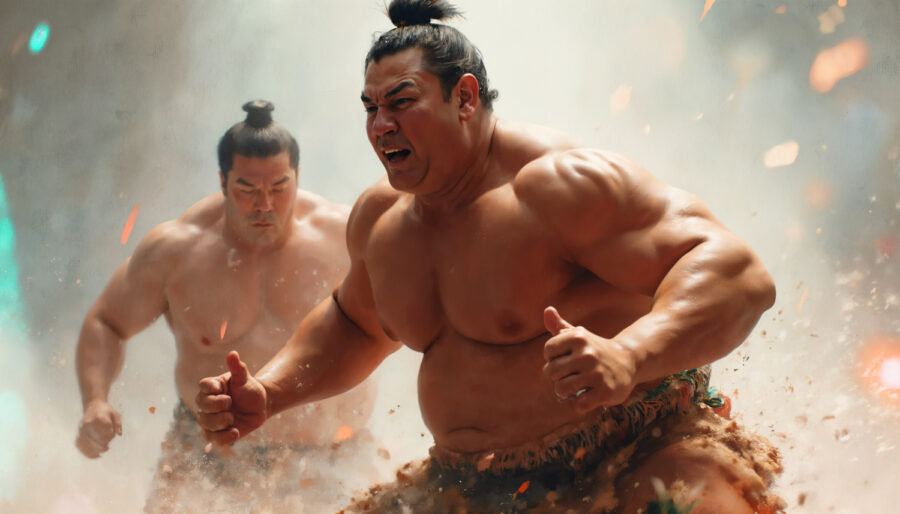
Sumo wrestling occupies a distinctive place in Japanese culture because it combines athletic competition with ritual practices that developed over centuries. Modern tournaments feature highly trained professional athletes competing under strict rules, yet the ceremonies that surround each match reflect traditions that date back to ancient religious festivals. The sport’s identity has always balanced physical contest with symbolic meaning, linking modern spectators to practices that originated in shrine ceremonies and early political mythology.
Some of the earliest references to wrestling in Japan appear in historical chronicles compiled during the eighth century. Works such as the Kojiki and the Nihon Shoki describe contests between powerful figures that resemble early forms of sumo wrestling. These accounts were written to explain the origins of political authority and the divine ancestry of Japan’s rulers, rather than to document organized sport. Even so, the stories show that physical contests were already associated with questions of power, legitimacy, and social order.
One well-known story recounts a contest between the deities Takemikazuchi and Takeminakata. According to the narrative, the two figures wrestle to determine control over territory and authority. Takemikazuchi ultimately defeats his opponent and forces him to submit, symbolizing the triumph of one political order over another. While historians interpret the account as mythology rather than literal history, the story illustrates how wrestling could represent dominance, authority, and divine approval within early Japanese thought.
Modern researchers continue to examine the structure and strategy of sumo competition through historical and analytical approaches. Berkeley-based researcher Ryan McCorvie has studied patterns in professional sumo matches and explored how tournament rules shape outcomes across many bouts. His work illustrates how statistical analysis can reveal recurring tendencies in the sport while also highlighting the complexity of the rules that govern competition. These modern perspectives show how centuries of tradition have produced a competitive system that remains structured yet unpredictable.
“Ritual gestures performed before each match preserve the sport’s connection to religious ceremony,” says McCorvie. “Wrestlers scatter salt into the ring as a form of purification and perform deliberate movements that signal respect for the sacred space of competition.”These actions reflect earlier shrine practices in which wrestling matches were offered to the kami in hopes of securing favorable harvests and community prosperity. The ceremonies seen in modern arenas, therefore, echo traditions that developed many centuries before sumo became a professional sport.
Court Ceremony and Early Organization
Sumo at the Imperial Court (Nara and Heian Periods)
During the Nara period, wrestling moved from rural shrine grounds into the ceremonial life of the imperial court. An event known as Sumai no Sechie became a regular feature of seasonal court observances, bringing together wrestlers from different provinces who traveled to the capital to compete before the emperor and aristocratic officials. These contests were both a form of entertainment and a demonstration of physical strength drawn from across the country.
Provincial leaders selected competitors from their regions and sent them to the capital to represent local communities. Participation in the contests carried prestige for the wrestlers as well as for the provinces they represented. Court officials supervised the organization of matches, arranged the order of competition, and ensured that the events followed ceremonial procedures appropriate to the imperial setting.
“The matches themselves required clear rules and supervision,” explains McCorvie. “Referees oversaw the bouts, determined outcomes, and maintained order during the competitions. Wrestlers competed within designated areas that separated them from spectators and allowed officials to observe each match closely.” These procedures introduced a degree of structure that had not existed in earlier shrine contests and helped establish the controlled environment that later defined professional sumo tournaments.
Court audiences included aristocrats, members of noble families, and visiting officials who gathered to observe the matches. That’s why wrestling became a recognized element of ceremonial life in the capital, combining religious symbolism with physical competition. The emphasis on organization and rank within these court contests contributed to the development of the hierarchical structure that later defined professional sumo.
That emphasis on hierarchy remains central to the sport today. Modern professional sumo operates with clearly defined divisions, with the highest division known as makuuchi limited to just 42 wrestlers according to the ranking structure described in Professional sumo divisions. The modern system reflects a long process of organizing competitors into ranked groups that began with the earliest structured contests in the imperial court.
From Court Entertainment to Military Training
Political authority shifted in Japan during the late twelfth century as military leaders gained control of the government. The rise of the samurai class changed how wrestling was practiced and understood, as physical strength and balance became valuable qualities for warriors engaged in close combat.
Samurai incorporated wrestling exercises into their training routines because grappling skills helped fighters control opponents in situations where weapons might be lost or combat required physical struggle at close range. Practicing these techniques strengthened the body while also teaching warriors how to maintain balance and leverage during confrontation.
Public wrestling contests also appeared more frequently outside the imperial court. Communities organized matches during shrine festivals and seasonal celebrations, allowing skilled wrestlers to compete before local audiences. Victories in these contests brought recognition and reputation, particularly in regions where wrestling had become a regular feature of community gatherings.
As these contests spread across different regions, wrestling gradually became more widely practiced within Japanese society. The activity no longer belonged exclusively to aristocratic ceremony but also appeared in martial training and popular festivals, creating a broader cultural presence that helped prepare the sport for its later development as a professional competition.
From Shrine Grounds to City Arenas: The Rise of Professional Sumo
Edo Period Transformation (1603–1868)
Rapid urban growth during the Edo period created new forms of entertainment for large city populations. Cities such as Edo, Osaka, and Kyoto developed dense commercial districts where merchants, laborers, and travelers gathered in large numbers. Residents of these cities sought public events that could attract large crowds, and wrestling tournaments soon became one of the most popular spectacles.
Organizers began staging tournaments as ticketed events, transforming wrestling into a regular form of urban entertainment. Temporary arenas were constructed in city districts so spectators could gather around the ring and watch a sequence of matches throughout the day. The popularity of these events helped establish wrestling as a professional activity rather than an occasional festival contest.
The raised clay platform known as the dohyō became the standard setting for matches during this period. The ring defines the space in which competition takes place and provides spectators with a clear view of the contest. In professional tournaments the inner circle of the ring measures approximately 4.55 meters in diameter, a specification described in the construction details of the sumo dohyō.
Within this circular boundary, wrestlers attempt to push their opponent out of the ring or force them to touch the ground with any part of the body other than the soles of their feet. The defined ring made the outcome of each bout easier for spectators to recognize and helped standardize the rules governing competition.
Training groups also developed during the Edo period as experienced wrestlers gathered apprentices who wished to learn the sport. These groups practiced together under the direction of senior wrestlers who taught techniques, discipline, and conditioning. Over time this structure developed into the stable system that continues to organize professional sumo today.
Ryan McCorvie: Sumo and the Modern Japanese State
Survival and Reinvention During the Meiji Period
The Meiji Restoration introduced sweeping political reforms that reshaped Japanese society. Government leaders sought to modernize institutions and bring the country closer to Western industrial powers, and many traditional practices faced criticism as part of these efforts.
“Sumo encountered uncertainty during this period because some officials viewed the sport as an outdated custom associated with the previous social order,” says McCorvie. “Despite these concerns, public enthusiasm for tournaments remained strong, and large audiences continued to gather at competitions.”
Supporters of the sport argued that sumo represented a tradition deeply connected to Japanese cultural identity. Their efforts helped preserve tournaments during a period when many other practices were being reexamined or abandoned.
Gradually, the sport regained recognition as a cultural symbol that could coexist with modernization. Organized tournaments continued while maintaining ceremonial traditions inherited from earlier centuries.
Institutionalization of Professional Sumo
Professional sumo eventually came under the supervision of governing organizations responsible for regulating tournaments and wrestler conduct. These bodies established rules for competition, training, and promotion within the ranking system.
Permanent arenas replaced many temporary tournament structures, and regularly scheduled events created a predictable calendar that allowed fans to follow the sport throughout the year. Wrestlers trained intensively within their stables in preparation for these competitions.
Today, the professional sumo calendar includes six official tournaments held annually, each lasting fifteen days according to the structure described in honbasho tournaments. The governing association also preserves ceremonial elements that distinguish sumo from other sports. Ritual gestures performed before matches continue to reflect traditions that originated in shrine festivals many centuries ago.
Ritual and Tradition in Modern Competition
Ceremony remains central to every professional sumo match. Wrestlers perform a sequence of gestures before competition begins, signaling respect for the ring and the traditions that define the sport.
One of the most recognizable actions involves throwing salt into the ring before the bout begins. The gesture represents purification of the ring and reflects the belief that the space used for competition carries spiritual significance.
High-ranking wrestlers perform a formal ring entrance ceremony known as dohyō-iri. During this ritual, they wear decorative aprons and move through a sequence of carefully practiced steps that highlight their status within the sport.
“Modern tournaments combine intense athletic competition with rituals rooted in centuries of tradition,” says McCorvie. “Wrestlers rely on strength, balance, and technique to defeat their opponents, while ceremonial practices preserve the cultural heritage that continues to shape sumo today.”