
AI Checker for SEO Teams: Detecting AI in Web Copy Before Publishing
SEO teams handle large volumes of content every week. Many brands want fast delivery. Many teams want strong pages. Many writers use digital tools to speed up drafts. AI models play a huge part in this shift. Their speed is useful, but accuracy checks matter more than ever. A smart AI checker helps teams control quality before a page goes live.
Modern search engines study writing patterns closely. They track structure, tone shifts, and density swings. These signals guide ranking decisions. Any artificial pattern can make a page risky. Brands want clear writing that keeps their rankings safe. A strong detection tool supports that goal.
Teams often face tight deadlines. A fast scan can cut review time. It can also guide editors toward lines that need human adjustments. This approach keeps the workflow balanced.
Why SEO Teams Use AI Detection Tools
Digital content shapes brand trust. A single page can impact traffic for months. Many teams want to avoid hidden errors. An AI detector helps spot machine patterns early in the process. It flags unusual repetition. It finds odd pacing. It highlights unclear sections.
Accuracy matters in long pages. A small issue in one paragraph can affect user experience. A detection tool works like a spotlight. It reveals the parts that deserve human review.
Writers often rely on multiple tools. A paraphrasing tool helps rework heavy text. A summarizer turns long content into short notes. A grammar checker cleans technical mistakes. A word counter helps meet layout limits. Each tool supports a different stage. The AI detector ties these stages together by checking the final tone.
How Detection Tools Catch Machine Patterns
Different signals guide the scoring system. One signal comes from sentence rhythm. Machine writing tends to follow a stable beat. Human writing shifts naturally. Strong tools study these shifts.
Another signal comes from structural patterns. AI texts sometimes repeat ideas. It may use similar shapes across paragraphs. An AI detector searches for these shapes across the page.
Tone drift gives another clue. Machine text can jump between voices. Humans do this less. A detection tool tracks tone shifts from line to line.
Vocabulary density also helps. Machines like mid-range terms. Humans mix technical and casual lines. A detector studies this flow.
Each signal helps build a probability score. The score guides the reviewer. It supports informed editing decisions, not automatic judgment.
Where AI Detection Works Best
SEO teams use detection tools in several areas. A quick scan helps during early review. It gives editors a map of possible issues. It also helps agencies that manage many clients.
Large content hubs depend on a stable tone. Editors want pages that read consistently. A strong tool helps maintain that standard.
Training new writers becomes easier, too. A detection report highlights growth areas. It teaches awareness of clarity and flow.
Campaign pages also gain from this method. Traffic spikes can appear fast. Teams want strong content before launch day. A detection scan reduces last-minute stress.
Where Detection Tools Struggle
No tool catches everything. Machine models change quickly. Some drafts include heavy human edits. Those drafts can bypass detection. Mixed writing often confuses scanners.
Creative lines also complicate scoring. Metaphors break expected patterns. Machines are learning these moves. Detectors need constant updates.
Some teams rely too heavily on the score. A score should guide, not dominate. Human judgment still matters at every step.
How To Use These Tools Correctly
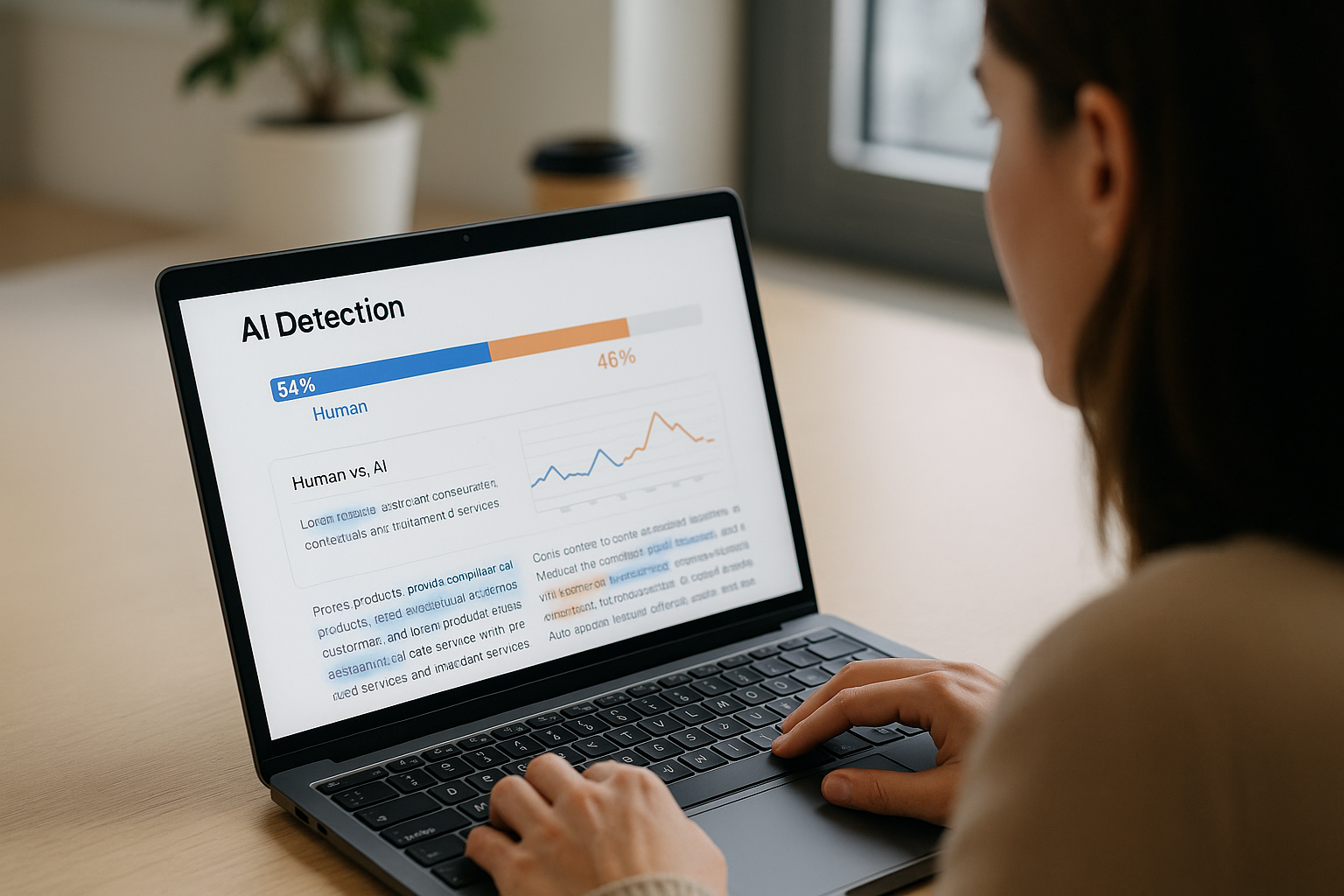
SEO teams can adopt a simple process. Start with a raw draft. Run a detection scan. Study the highlighted areas. Adjust tone and pacing manually. Run a final scan after changes.
This process builds stronger pages. It also trains writers over time. Editors can use the same process across all projects. Consistency matters inside large teams.
Pairing the detector with other tools helps even more. A paraphrasing tool can fix heavy portions. A summarizer can clean long research notes. A grammar checker can polish grammar patterns. A word counter can set the proper length for each section. Combined use gives teams cleaner pages with less waste.
Why SEO Teams Need Human Review
Search engines reward clarity. Readers want useful information. Human editors understand nuance better than any machine. An AI checker gives guidance. The final decision must stay with the editor.
Markets change quickly. New trends shift language every month. Only human reviewers track those movements. Detection tools cannot replace that skill. They only support it.
A strong SEO workflow blends two forces. Machines assist with speed. Humans guide the final quality. This balance protects rankings and improves pages.
Final Thoughts
AI detection plays a major role in modern SEO work. Many teams want fast checks. Many brands want safe writing. A reliable AI checker helps reach that point.
Strong tools scan patterns and highlight risk areas. They support editors who shape the final voice. A combination of the AI detector, paraphrasing tool, summarizer, grammar checker, and word counter creates a stable system for quality control.
Teams that adopt this balanced approach make fewer mistakes. They ship content faster and protect rankings. Most of all, they keep every page aligned with human expectations.